
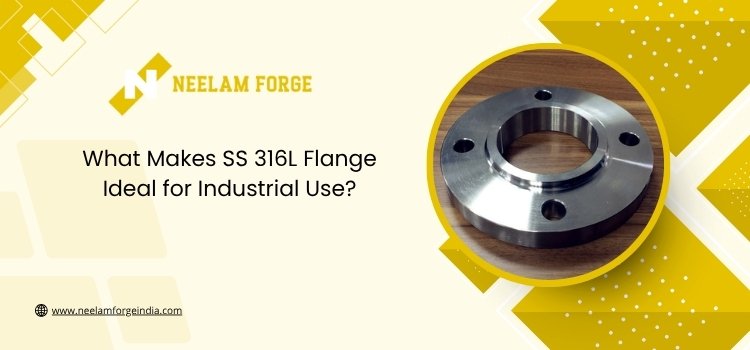
SS 316L Flanges: Properties, Composition, and Industrial Applications
When constructing robust industrial piping systems, choosing the right material is critical. The Stainless Steel 316L Flange has emerged as a premier fitting choice for industries demanding exceptional durability, strength, and corrosion resistance. But what exactly makes SS 316L flanges so indispensable in sectors like petrochemicals, marine engineering, and pharmaceuticals?
In this guide, we’ll cover the chemical composition, mechanical properties, manufacturing standards, and applications that make 316L stainless steel flanges a go-to choice for high-performance piping networks.
What is an SS 316L Flange?
An SS 316L flange is a pipe fitting manufactured from a low-carbon version of standard 316 stainless steel. The “L” stands for “Low Carbon.” This distinction gives the 316L stainless steel alloy superior weldability and strong resistance to intergranular corrosion, making it effective in acidic, high-temperature, or chloride-rich environments. Forged flanges of this grade are typically manufactured to ASTM A182 Grade F316L, the standard material specification for forged stainless steel fittings, and dimensioned per ASME B16.5.
Key Advantages of 316L Stainless Steel Flanges:
- Superior Corrosion Resistance: Highly resistant to pitting and crevice corrosion in marine and chemical environments.
- Enhanced Weldability: The low carbon content prevents carbide precipitation during welding, ensuring a better, more resilient joint.
- High Tensile Strength: Capable of withstanding extreme pressure and physical stress.
- Extended Service Life: Offers a high-quality surface finish and long-term durability, minimizing maintenance costs.
SS 316L Chemical Composition
The reliability of SS 316L flanges stems directly from their precise chemical makeup. The addition of molybdenum is what sets the 316 series apart, providing superior resistance to industrial solvents and harsh chemicals.
Typical SS 316L Chemical Composition (%):
- Chromium (Cr): 16.0 – 18.0
- Nickel (Ni): 10.0 – 14.0
- Molybdenum (Mo): 2.0 – 3.0
- Carbon (C): ≤ 0.03 (the defining feature of the “L” grade)
- Manganese (Mn): ≤ 2.0
- Silicon (Si): ≤ 1.0
- Phosphorus (P): ≤ 0.045
- Sulphur (S): ≤ 0.03
This alloy blend makes 316L flanges one of the more trusted materials for resisting stress-corrosion cracking in demanding piping infrastructure.
Mechanical Properties of SS 316L Flanges
To safely handle high-pressure fluids and gases, a flange must meet strict mechanical property requirements. Here’s what to expect from a standard SS 316L flange:
| Property | Value |
|---|---|
| Density | 8.0 g/cm³ |
| Tensile Strength | 485 MPa (min) |
| Yield Strength | 170 MPa (min) |
| Elongation | 40% (min) |
| Hardness | 217 HB (max) |
| Melting Point | 1370–1400°C |
These metrics make stainless steel 316L pipe flanges well-suited to fluctuating temperatures and high-pressure flow systems. As with any flange selection, always cross-check the actual pressure-temperature rating for the specific pressure class (e.g., Class 150, 300, 600) against ASME B16.5 tables rather than relying on tensile strength alone — allowable pressure drops as operating temperature rises.
Common Types of SS 316L Flanges
SS 316L is manufactured across the same range of configurations covered in our flange types guide, including weld neck, slip-on, blind, socket weld, and lap joint styles. The main difference from carbon steel versions is material behavior: 316L’s low carbon content makes it a stronger fit for weld neck and socket weld designs specifically, since both rely on a weld joint that benefits from resistance to carbide precipitation.
Major Industrial Applications
Thanks to their corrosion resistance and hygienic properties, SS 316L flanges are used across several heavy-duty sectors:
- Chemical and Petrochemical Processing: Safely handles volatile and corrosive chemical flows.
- Marine and Offshore Engineering: Resists saltwater-induced oxidation and chloride pitting.
- Pharmaceutical Manufacturing: Meets strict hygiene standards and prevents product contamination.
- Food and Beverage Industry: Sanitary, easy to clean, and resistant to bacterial growth.
- Oil and Gas Refineries: Sustains structural integrity under extreme heat and pressure.
A Note on Bolting and Galvanic Compatibility
One detail that’s easy to overlook: pairing a 316L flange with standard carbon steel bolts can set up galvanic corrosion at the joint, especially in marine or wet environments. Stainless steel or coated fasteners rated for the same service conditions are generally recommended to avoid this. It’s also good practice to specify passivation (per ASTM A967) after fabrication to restore the chromium oxide layer that welding or machining can disturb, this is what actually gives 316L its long-term corrosion resistance in the field.
SS 316 vs. SS 316L: Which is Better?
A common question is whether to use the standard 316 grade or the low-carbon 316L grade. While both share a similar base composition, the key difference is carbon content.
Because SS 316L contains a maximum of 0.03% carbon (compared to 0.08% in standard 316), it avoids carbide precipitation when heated to high temperatures during welding. If your project involves extensive welding, SS 316L is generally the better choice, offering stronger corrosion resistance at the weld seams — even though standard 316 has a marginally higher base tensile strength.
Conclusion
For safe, leak-proof, and long-lasting piping networks, SS 316L flanges combine solid mechanical strength with strong corrosion resistance. Their low-carbon chemistry supports reliable welding, making them a dependable choice for marine, chemical, pharmaceutical, and sanitary applications.
FAQs
Q1. Can SS 316L flanges be used in seawater applications?
Yes. Thanks to their 2–3% molybdenum content, SS 316L flanges offer strong resistance to chloride pitting, making them well suited to marine environments and seawater processing.
Q2. Is SS 316L stronger than SS 316?
Standard 316 has a slightly higher tensile strength due to its higher carbon content. However, SS 316L offers better post-weld strength and corrosion resistance, which is usually more important in industrial piping systems where welding is involved.
Q3. Where are 316L blind flanges typically used?
Blind flanges are used to blank off the ends of valves, pipes, and pressure vessel openings. They’re commonly used to isolate sections of a line during maintenance or for pressure testing.
Q4. What material standard applies to SS 316L flanges?
Forged SS 316L flanges are typically manufactured to ASTM A182 Grade F316L, with dimensions per ASME B16.5. Always confirm the specific standard required by your project spec before ordering.
Looking for high-quality SS 316L flanges for your next project?
Ensure a leak-proof and durable piping system with top-tier materials. Contact us today or email us at sales@neelamforgeindia.com for technical support and competitive quotes.