
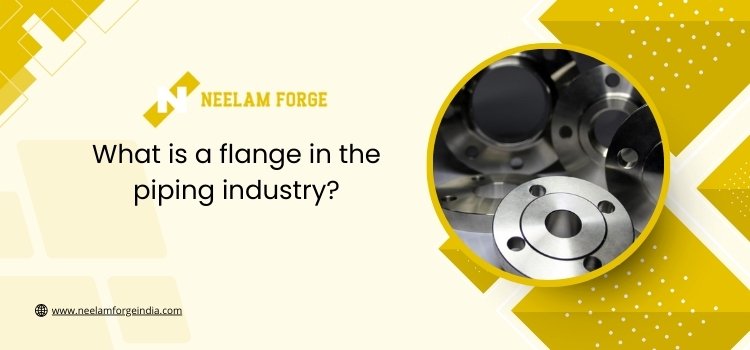
In the vast and complex world of industrial infrastructure, flanges serve as the unsung heroes holding everything together. But exactly what is a flange in the piping industry? Simply put, a flange is a mechanical forged or cast ring that is used to securely connect sections of pipe to other pipes, valves, pumps, and specialized industrial equipment.
Flanges are essential because they provide a highly reliable, leak-free joint that—unlike a permanently welded joint—can be easily dismantled. This feature allows technicians and engineers immediate access for routine maintenance, cleaning, inspections, and system modifications across critical sectors like oil and gas, chemical processing, and massive water treatment facilities.
The Advantages of Using Flanges in Piping Systems
Understanding the fundamental purpose of a flange highlights why they are universally preferred by major contractors and system architects. The primary benefits include:
- Ease of Maintenance: Provides quick access to internal pipeline systems without destructive cutting.
- Enhanced Structural Integrity: Safely handles high-pressure loads and extreme temperature fluctuations.
- Design Flexibility: Allows for rapid system modifications, pipeline rerouting, or the swapping out of faulty valves.
- Reduced Downtime: Simplifies repairs, meaning operational industrial plants suffer less downtime during overhauls.
Common Types of Pipe Flanges Used in Industry
There are several distinct types of pipe flanges, each engineered to perform under specific operational conditions, pressures, and flow dynamics.
1. Weld Neck Flanges
Weld neck flanges are easily identifiable by their long structural hub that gradually transitions into the pipe wall thickness. They are the preferred choice for extreme conditions.
- Benefits: Distributes structural stress evenly, reducing the risk of failure at the base of the flange.
- Best For: High-pressure, high-temperature, and fluctuating condition pipelines.
2. Slip-On Flanges
Slip-on flanges feature a bore slightly larger than the outside diameter of the pipe, allowing them to literally “slip on” before being secured with two fillet welds.
- Benefits: Lower initial cost and requires less precision when cutting pipes to length.
- Best For: Low-pressure systems, cooling water lines, and general industrial plumbing.
3. Blind Flanges
Unlike other flanges, a blind flange possesses no internal bore. It is a solid steel plate used to completely blank off the end of a pipeline.
- Benefits: Allows for safe pipeline termination while providing easy access for future expansions or pressure testing.
- Best For: Valve isolation, end-of-line closures, and vessel inspections.
4. Socket Weld Flanges
These feature an internal socket where the pipe sits before being secured with a single continuous weld on the exterior.
- Benefits: Delivers a smooth internal bore, which drastically improves fluid flow and reduces turbulent erosion.
- Best For: Small-diameter, high-pressure piping networks common in chemical refineries.
5. Threaded Flanges
Threaded flanges contain internal threads, allowing them to be screwed directly onto the pipe without any welding gear.
- Benefits: Easy and safe to install in hazardous, highly combustible environments.
- Best For: Low-pressure, low-temperature systems, and highly explosive industrial zones.
Flange Material Selection: What Are They Made Of?
Selecting the correct material is just as vital as selecting the flange type. The media flowing through the pipe (water, corrosive acid, natural gas) dictates the best material.
- Carbon Steel Flanges: Provide incredible strength and toughness; heavily utilized in structural piping and oil lines.
- Stainless Steel Flanges: Highly corrosion-resistant and hygienic; the industry standard for marine environments and food processing.
- Alloy Steel Flanges: Specifically engineered to prevent warping and failure in extreme high-temperature and high-pressure setups.
- Cast Iron Flanges: Mostly applied in municipal water supply and low-stress sewage management systems.
Major Industrial Applications for Flanges
Without flanges, modern heavy industry would grind to a halt. They are absolutely critical in:
- Oil & Gas Refineries: Safely managing volatile hydrocarbons under immense pressure.
- Petrochemical Plants: Processing highly corrosive or toxic chemical agents.
- Power Generation: Linking superheated steam turbines and condenser units.
- Commercial HVAC & Plumbing: Connecting massive chillers, water towers, and municipal sewage lines.
How to Select the Right Flange for Your Project
Procurement managers and piping engineers must factor in several critical variables before purchasing:
- Pressure Class Rating (e.g., Class 150 vs Class 2500)
- Temperature Tolerance
- Material Compatibility and Corrosion Resistance
- Flange Facing (Raised Face, Flat Face, or Ring-Type Joint)
Conclusion
By understanding what a flange is in the piping industry, professionals can make much safer, more cost-effective design decisions. Whether you are laying miles of petrochemical pipelines or configuring a local municipal water system, knowing how to leverage weld neck, slip-on, and blind flanges ensures that your infrastructure remains durable, leak-free, and easy to maintain for decades to come.
FAQs
Q1. What is the main purpose of a piping flange?
The primary purpose of a flange is to mechanically join two pipes (or a pipe to a valve or pump) while providing an accessible, leak-proof seal that can be unbolted for maintenance, unlike a permanent weld.
Q2. Which pipe flange type is best for high-pressure systems?
Weld neck flanges are universally recognized as the best option for high-pressure and high-temperature environments. Their long tapered hub securely transfers stress from the flange to the pipe wall.
Q3. Why choose stainless steel flanges over carbon steel?
Stainless steel flanges offer far superior resistance to rust and chemical corrosion. While carbon steel is excellent for structural strength, stainless steel is absolutely necessary for marine applications, acidic chemical lines, and sanitary food processing.
Are you looking for premium piping components for your next industrial project?
Partner with industry experts to guarantee the safety and efficiency of your pipeline infrastructure. Contact us today or reach out directly at sales@neelamforgeindia.com for competitive quotes and high-quality flanges.