
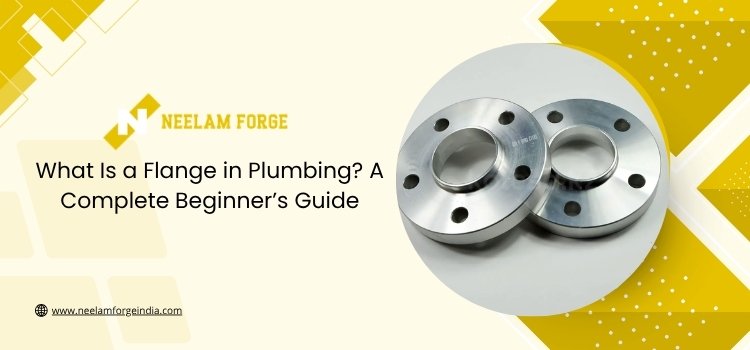
Understanding the Role of Plumbing Flanges in Your Home
Plumbing Flange is among the very important support parts utilized in today’s plumbing systems. Though small in size, they perform big functions in assuring the safe joining of pipes and fixtures and ensuring correct alignment and stability. Whether you are in a residential bathroom or a large industrial piping system, Flanges can help make a connection that performs reliably and is leak-proof.
Plumbing Flanges are frequently used to join pipe fittings, drains and toilets in residences. They allow you to keep fixtures secure and diminish any movement that can cause leaks or damage over time. Flange installation also enhances the general strength and performance of the plumbing system.
Plumbing Flanges Explained?
Plumbing flanges are small but significant parts for plumbing that secure connections between pipes and fixtures. It can promote easy water flow, stability of plumbing fixtures, and a leak-tight seal. Flanges are usually fashioned of High-strength materials such as PVC, stainless steel, cast iron, or other products to endure extended service life.
- Assists with installing pipes and fittings correctly
- Eliminates the smell and makes sure water does not leak
- Makes the toilet and fitting stable
- Easy to install and maintain
- Found in the house, bath, and drainage systems
The Anatomy of a Closet Flange: Securing Your Toilet
A Toilet Flange is positioned below your toilet and does the following two very important tasks:
- Attaches the toilet to the waste pipe.
- Fastens the toilet to the floor.
It typically includes:
- A pipe connection (fits into or over the drainpipe)
Types of Plumbing Flanges
Different plumbing systems use various flange types depending on the application. Here’s a quick comparison:
| Flange Type | Primary Function | Common Location |
| Closet Flange | Secures the toilet and connects to the drain | Bathroom floor |
| Weld Neck Flange | Provides a strong pipe connection | Industrial piping systems |
| Slip-On Flange | Slides over the pipe for easy installation | Water supply lines |
| Blind Flange | Seals pipe ends | Pipe terminations or maintenance |
Plumbing Flange Uses in Residential Systems
Plumbing flanges have several purposes:
- Makes the installation, inspection, and maintenance
- Provides quick and simple removal and replacement of plumbing parts
- Improves the piping wall’s durability and efficiency
- Prevents water leaks and pipes from bursting
- Can be used for residential, commercial, and industrial applications
The flange, particularly in bathrooms, is important since it does not allow the wastewater and sewer gases to escape into your house.
Ways to Stop a Toilet from Rocking
If your toilet is not level or wobbles while sitting, it may mean you have an incorrectly aligned or damaged toilet flange. The sooner there is an early diagnosis, the better water infiltration and floor damage can be prevented.
- Check the toilet mounting bolts to make sure it is solid.
- Inspect for any cracks that may be present, wear on the flange, or flange height out of position.
- Utilize support shims for better balance and for less movement at that time.
- Convert the flange if it is badly worn or damaged.
Failing to fix a loose toilet well can result in hidden leakage, unpleasant and foul smells, and expensive sub-floor repair.
Signs You Need a Closet Flange Replacement
Flanges may wear or get damaged over time. Be alert to the following red flags:
- Persistent sewer odours
- Wobbly or loose toilet
- Corroded or cracked flange
Should you observe any of these, then replacement of the flange immediately will save you from very expensive repairs.
Where Should the Flange Sit?
Proper placement is key for effective sealing:
- The flange must not be below the finished floor, but on the top
- It should be flat so as to have a close fit
- Leak or instability can be caused by the wrong height
This is a detail that is usually neglected, but it is so vital to long-term performance.
Conclusion
A Plumbing Flange is also a critical part of pipes that are connected in residential, commercial, and industrial plumbing systems to form strong and leak-proof connections. It provides reliable pipe, valve, pump, and other plumbing equipment connections, and provides smooth pipe flow and system stability. There are many credits to be offered for plumbing flanges.
FAQs
Q1. Can flanges be installed without welding?
In some applications, threaded and slip-on flanges can be connected without complicated welding procedures.
Q2. In plumbing systems, do we need a flange?
Yes, it’s necessary to use flanges to form a solid and secure pipeline connection and to maintain the line without causing damage to it.
Q3. Are flanges reusable?
Yes, but if neither damaged nor corroded, most flanges can be reused. Service and change of the gasket is suggested prior to re-use.
Notice a wobbly toilet or persistent bathroom odours? A faulty closet flange could be the cause. Contact us today or email us at sales@neelamforgeindia.com for expert inspection and replacement services to avoid plumbing leaks and expensive water damage repairs.